

Pre-Little Andaman Pro 2026
Expression Sessions: First Touch at Little Andaman
Before the competition jerseys came on and the heats were called, Little Andaman delivered its first impression in the most authentic way possible — through raw, uncrowded waves and a deep sense of place.
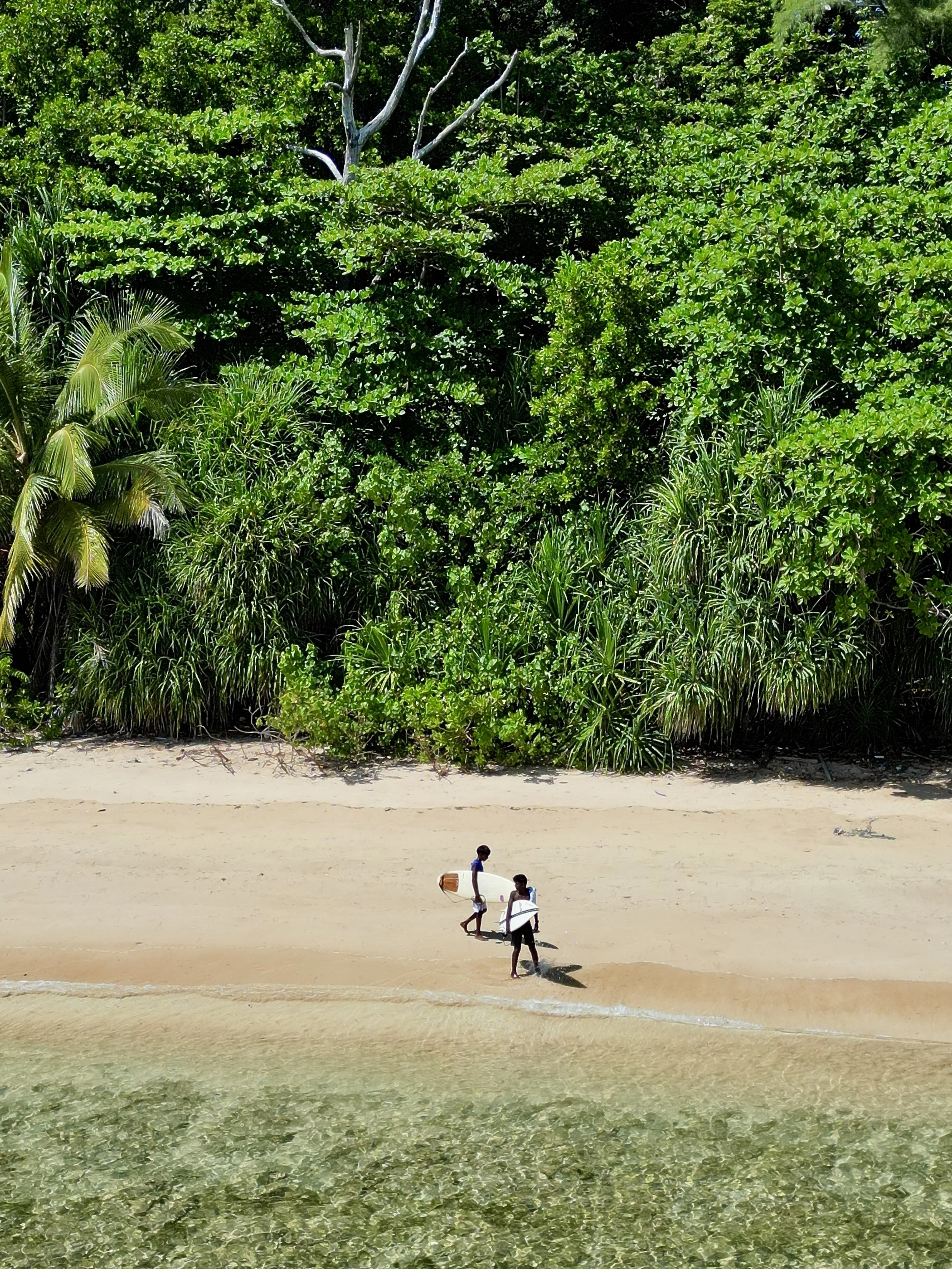
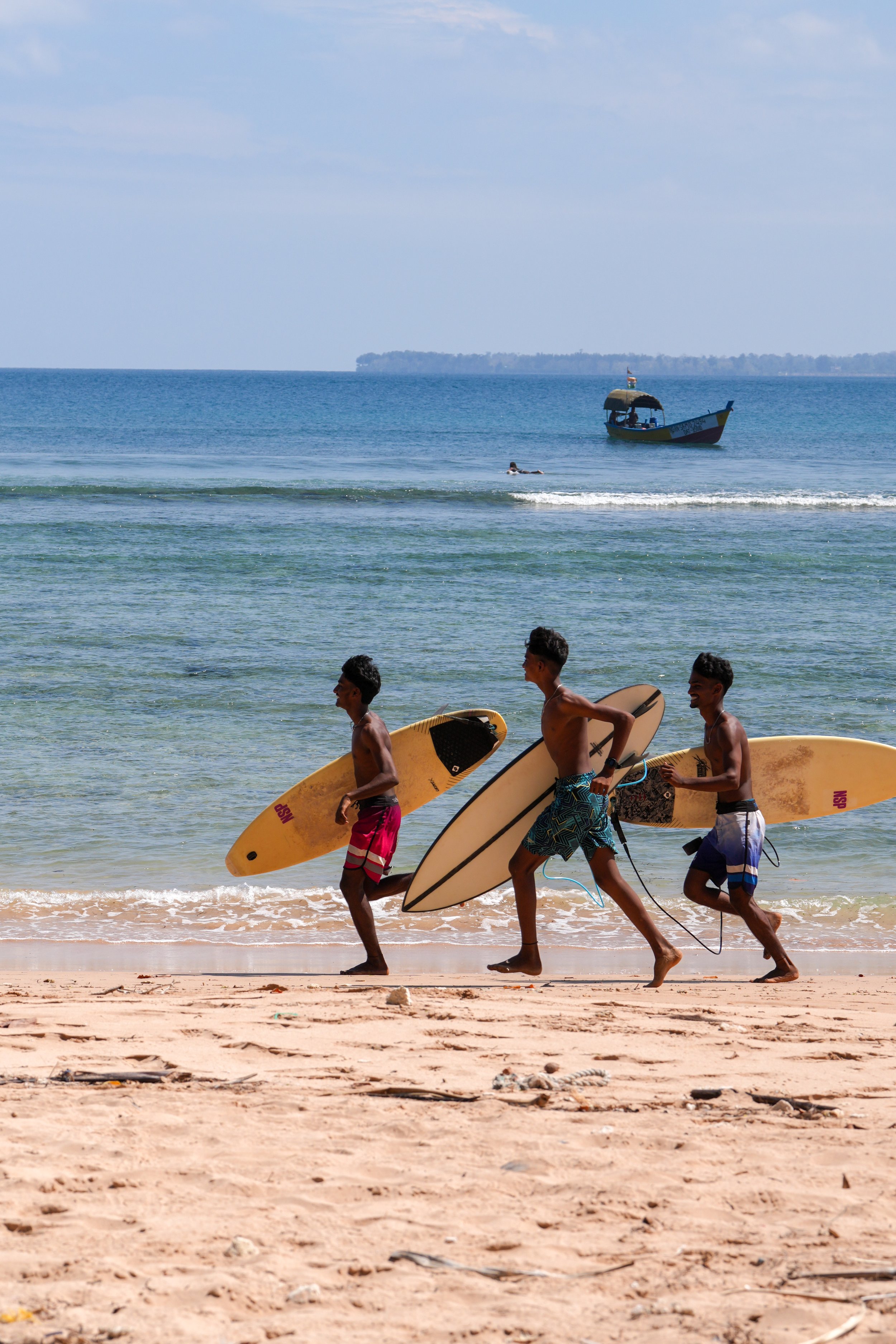
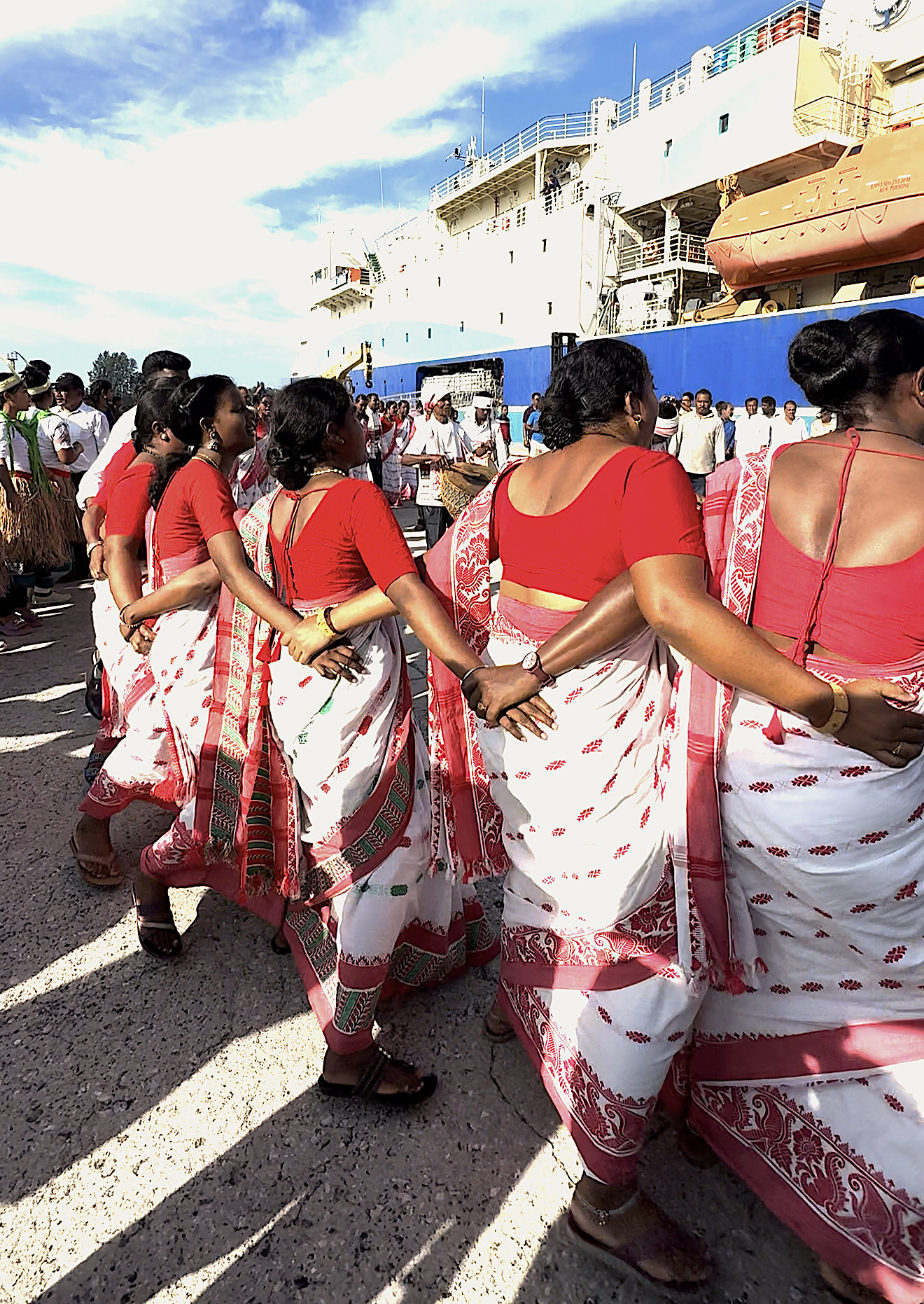
As athletes arrived on the island, the welcome set the tone immediately. From the moment they stepped off the ferry, they were greeted with warm hospitality by Andaman & Nicobar Islands Tourism, complemented by a cultural welcome that reflected the identity and spirit of the islands. It was a reminder that this event is as much about people and place as it is about performance.
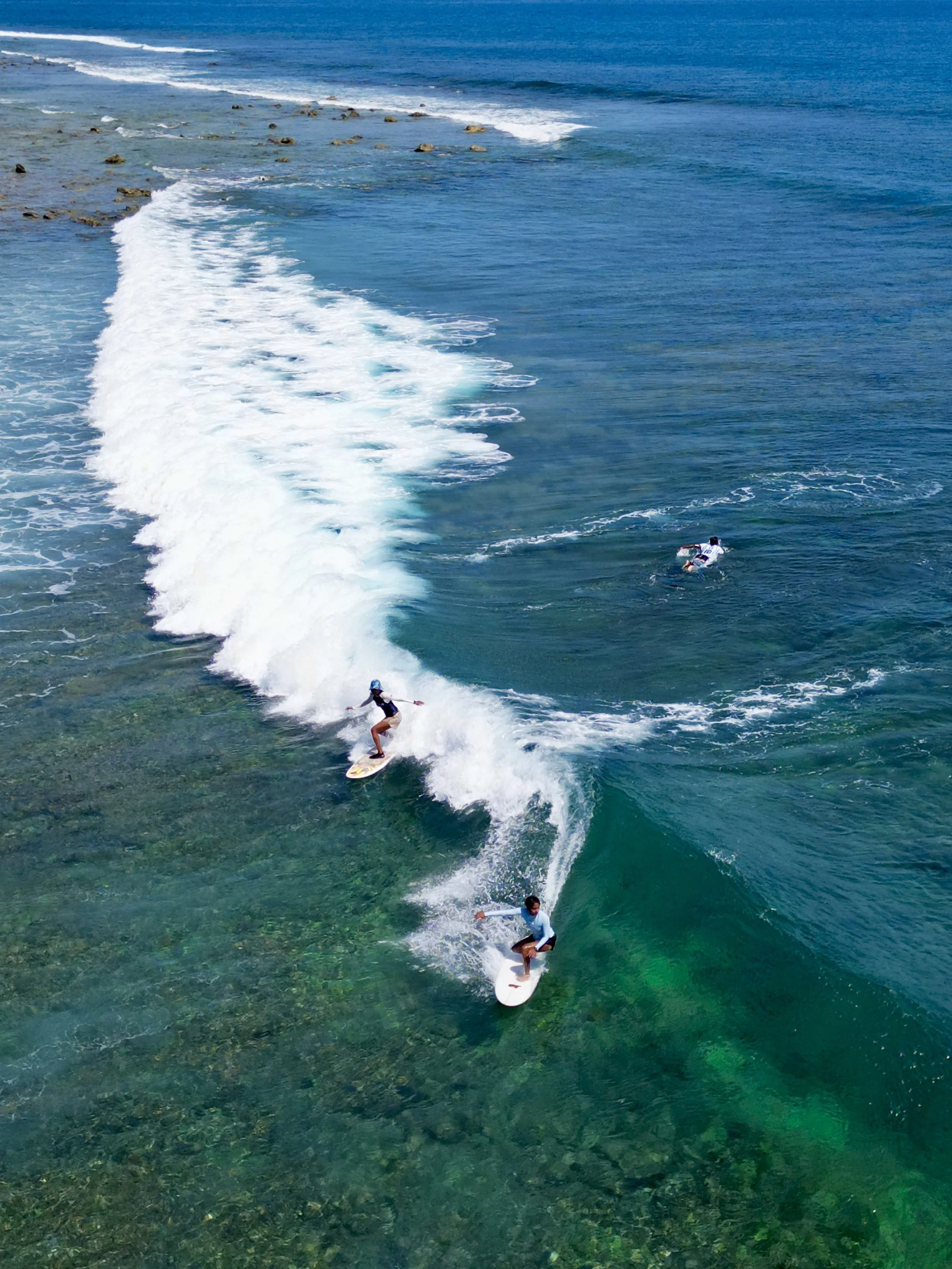
The first sessions at the break were exactly what athletes had hoped for. Clean lines, open faces, and the kind of ocean energy that Little Andaman is quietly becoming known for. These expression sessions gave surfers and stand-up paddlers the opportunity to read the conditions, dial in equipment, and reconnect with the rhythm of the ocean ahead of competition.
Behind the scenes, the scale of coordination was significant. A 100-member contingent — 65 athletes and 35 technical officials, along with the support team — travelled from across India, many carrying surfboards and 14-foot SUP race boards, making this one of the most logistically demanding movements of ocean sports equipment in the country.
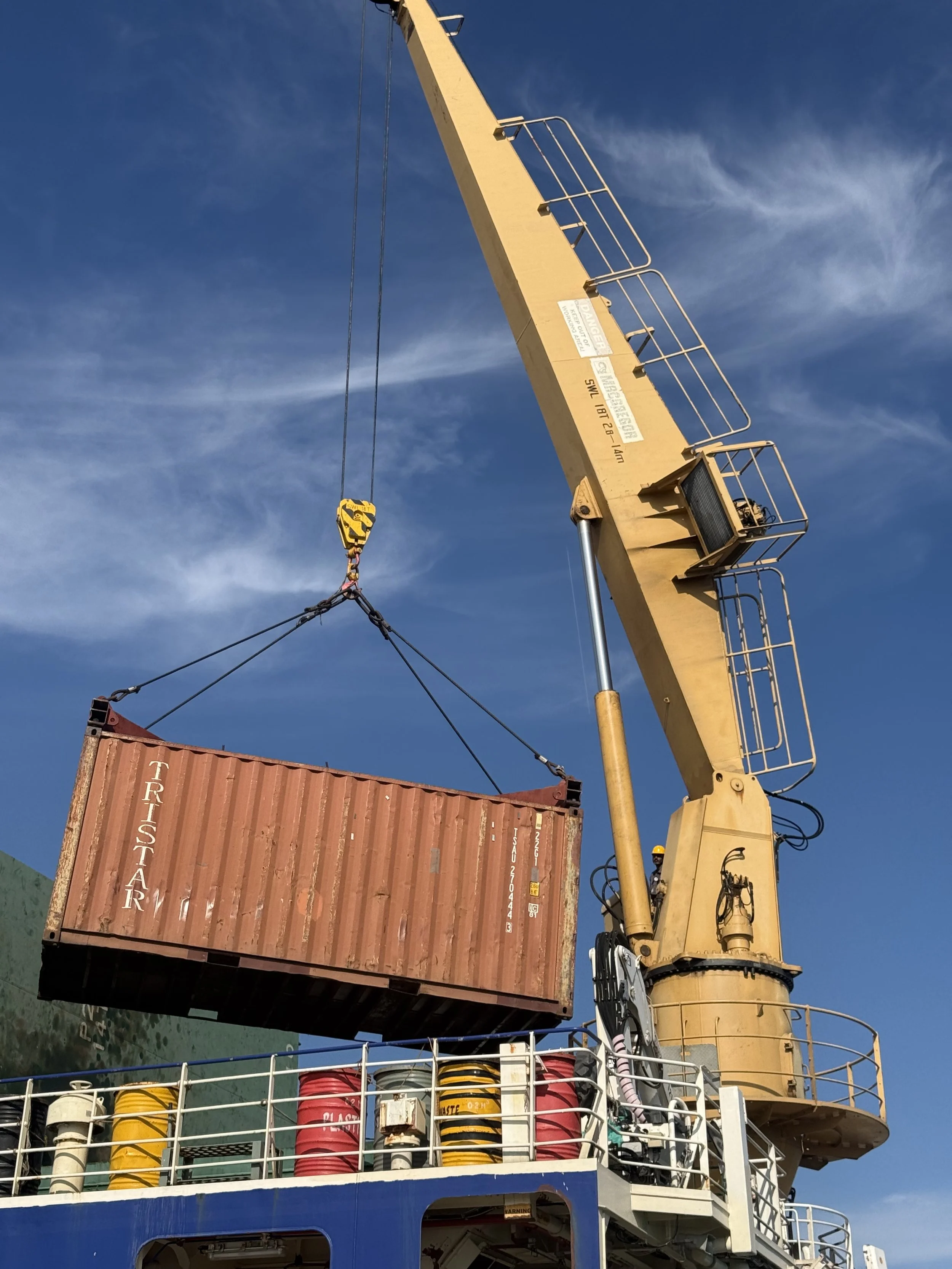
This was made seamless through the direct support of Andaman & Nicobar Islands Administration as well as cooperation of IndiGo airline staff, who facilitated athlete and equipment travel with efficiency and care, alongside the continued support of TT Group, annual sponsors of the Surfing Federation of India, whose logistics backing ensured smooth coordination from departure points to the island.
On ground, the support systems were already in motion. The technical officials began setting up competition frameworks, assessing conditions, planning course layouts, and aligning operations to international standards. The support team worked in parallel to ensure athlete readiness, safety, and equipment management — building the foundation for a high-performance event.
Beyond the waves, Little Andaman began revealing its broader appeal. Athletes and officials alike expressed keen interest in exploring the island’s natural and cultural offerings — from star-filled night skies ideal for stargazing, to rich birdlife for nature enthusiasts, waterfalls tucked within lush interiors, and regional cuisine that reflects the island’s unique coastal heritage.
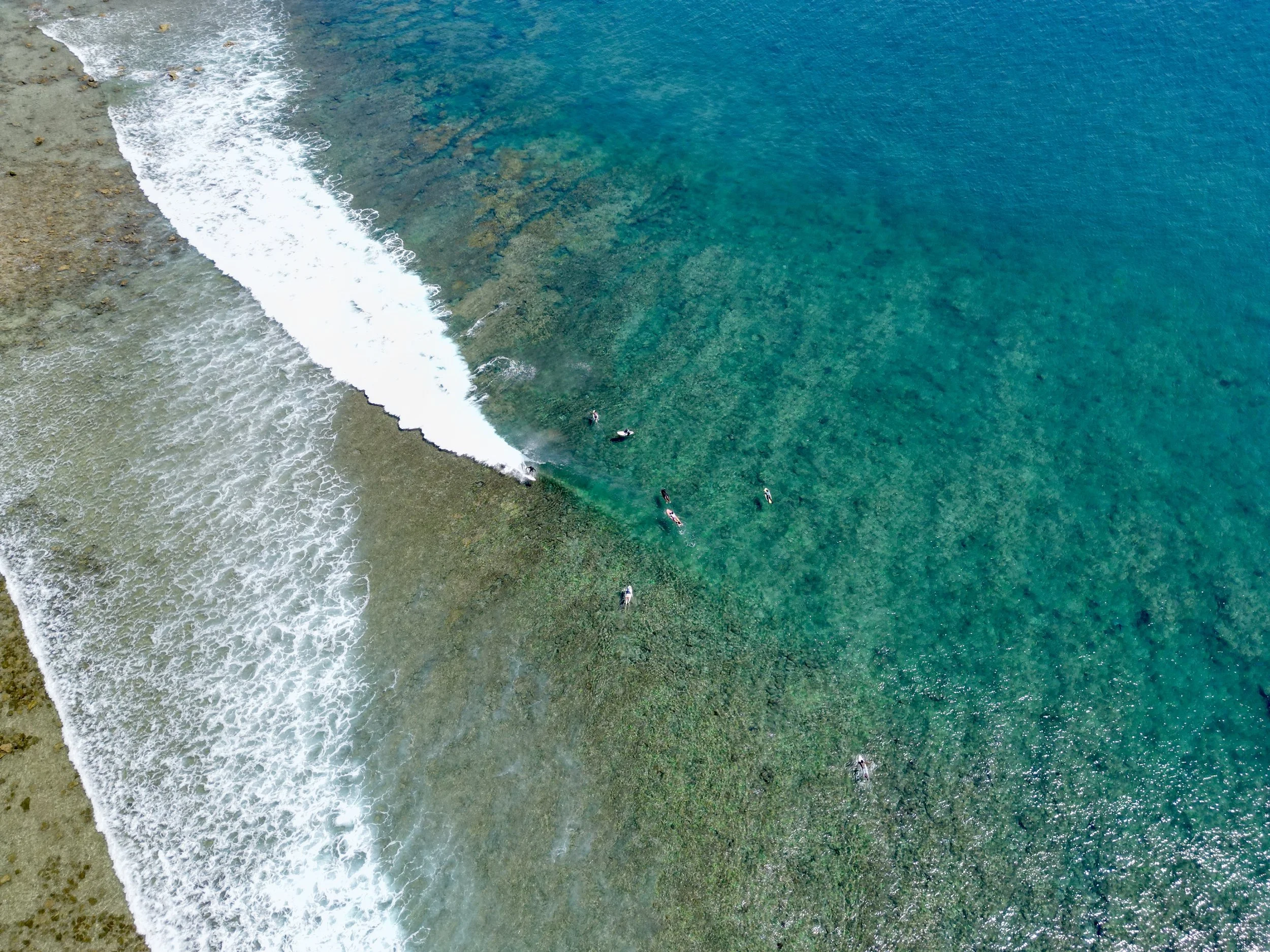
These early days were more than just warm-up sessions. They were about immersion — into the ocean, the environment, and the community. With every wave ridden and every interaction shared, Little Andaman moved from being a long-anticipated destination to a lived experience.
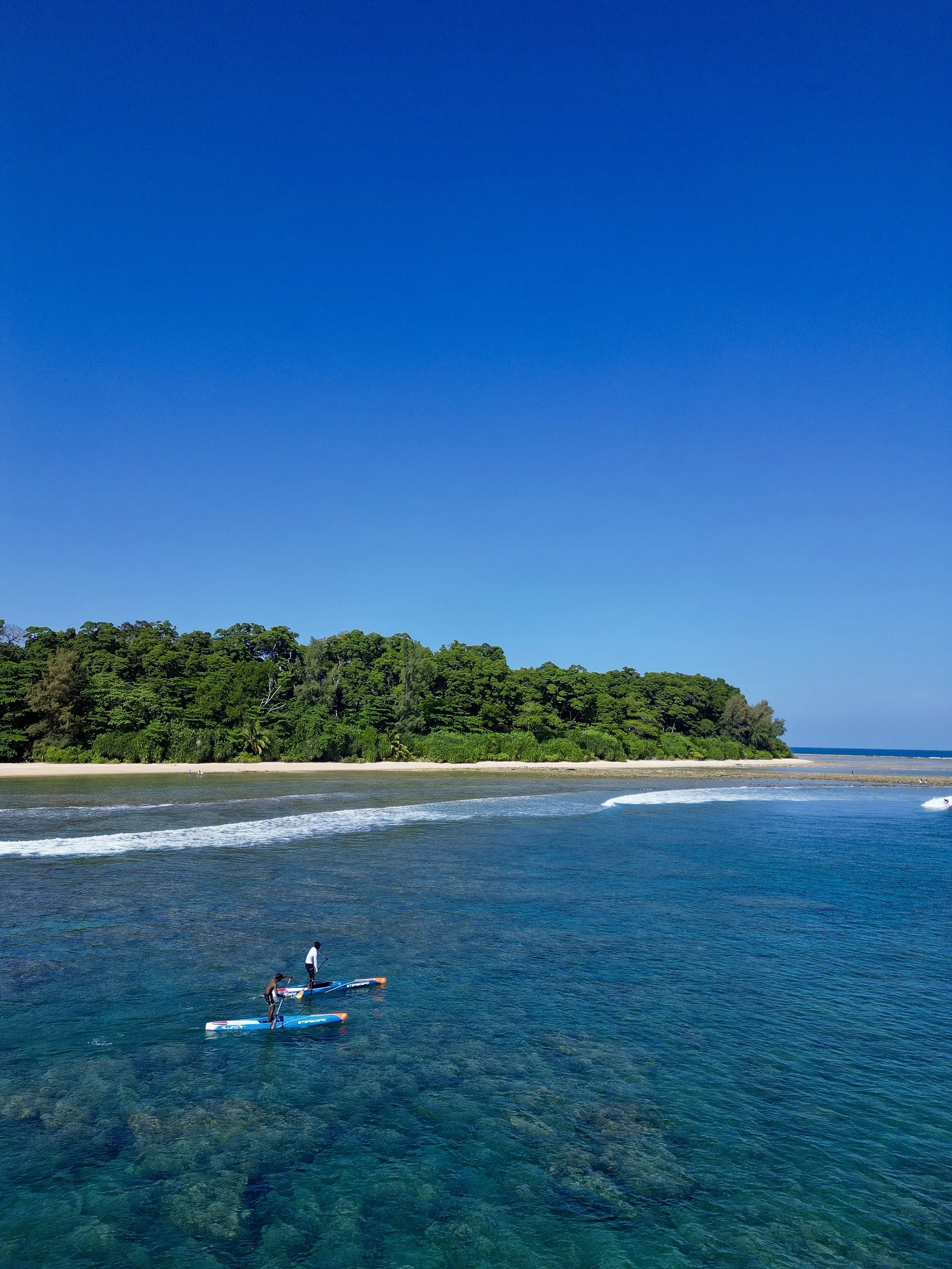
The stage is now set — not just for competition, but for a deeper connection between athletes and one of India’s most promising ocean arenas.